
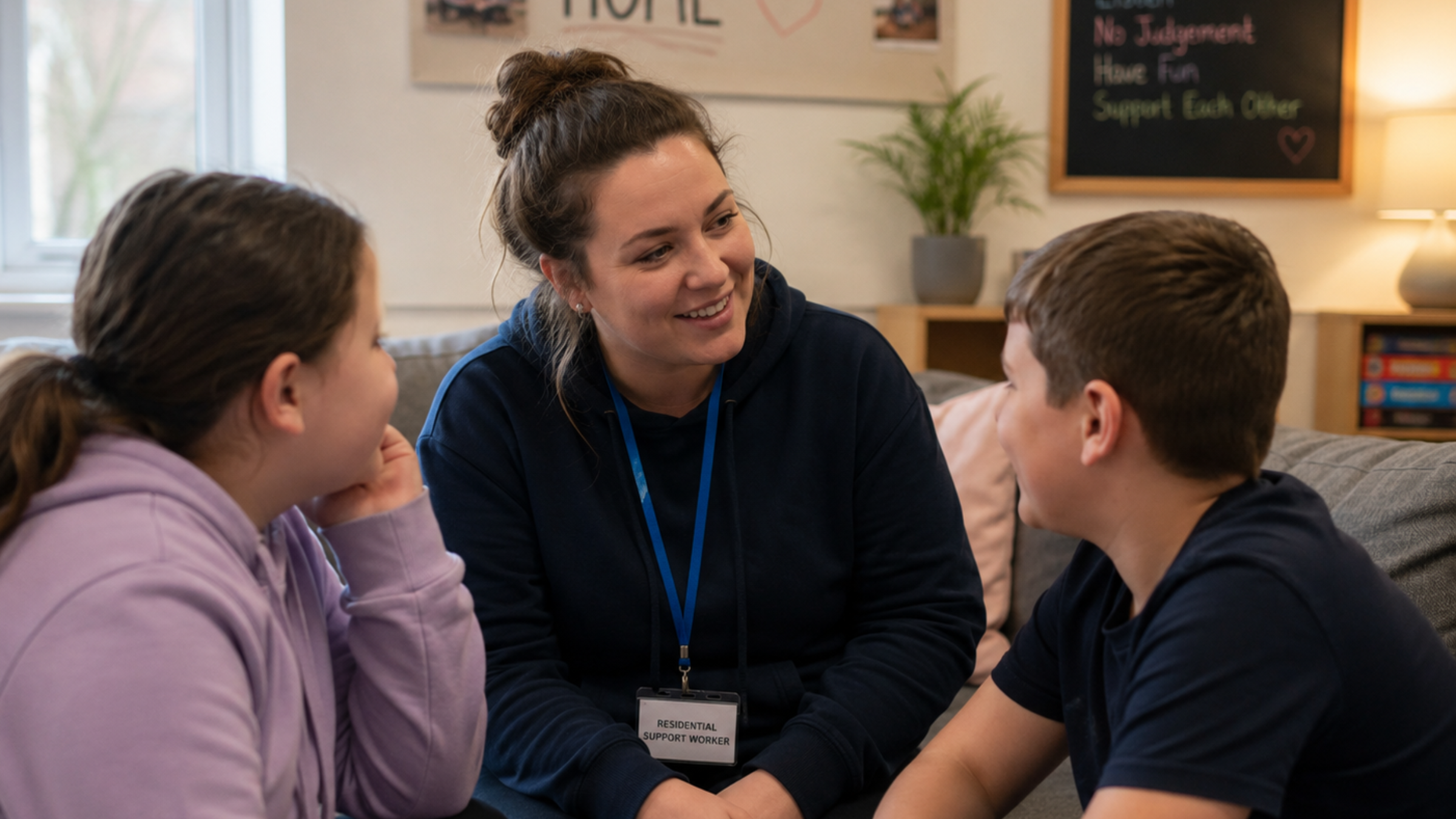
Managing challenging behaviour is one of the most important skills for anyone working with children and young people in residential care, supported living or community-based services. While responding appropriately during an incident is essential, the most effective approach is preventing situations from escalating in the first place.
By understanding what drives behaviour, using positive behaviour support strategies and applying effective de-escalation techniques, care professionals can create safer environments and achieve better outcomes for the young people they support.
Understanding the Triggers Behind Behaviour
Every behaviour is a form of communication. Children and young people who have experienced trauma, adverse childhood experiences, autism, learning disabilities or mental health challenges may struggle to express their emotions verbally. As a result, distress can sometimes present as aggression, withdrawal, self-harm, refusal or other behaviours that challenge.
Common triggers can include:
- Sudden changes to routine
- Sensory overload
- Anxiety or uncertainty
- Feeling unheard or misunderstood
- Unmet emotional or physical needs
- Past trauma or negative experiences
- Environmental factors such as noise or overcrowding
Recognising these triggers allows staff to intervene early, adapt their approach and reduce the likelihood of behaviour escalating.
Positive Behaviour Support: Focusing on Prevention
Positive Behaviour Support (PBS) is centred on understanding why behaviours occur and helping individuals develop safer, more positive ways of communicating their needs.
Rather than simply reacting to incidents, PBS encourages professionals to:
- Build trusting relationships
- Maintain consistent routines
- Use person-centred care plans
- Reinforce positive behaviours
- Encourage independence and choice
- Adapt environments to reduce known triggers
When staff understand each individual's needs, preferences and communication style, they are far better equipped to prevent challenging situations before they arise.
De-escalation Techniques That Make a Difference
Even with the best preventative strategies, situations can still escalate. Remaining calm and responding appropriately is crucial.
Effective de-escalation techniques include:
Stay Calm
Young people often mirror the emotions of those around them. Speaking calmly and maintaining a relaxed body language can help reduce anxiety.
Listen Without Judgement
Allow the young person time to express themselves. Feeling heard can often reduce frustration and help rebuild trust.
Give Space
Avoid crowding or cornering someone who is distressed. Providing appropriate personal space can help lower tension.
Offer Choices
Giving simple, achievable choices can help restore a sense of control and reduce feelings of helplessness.
Use Clear, Simple Communication
Avoid lengthy explanations or confrontational language. Calm, concise communication is often the most effective.
Know When to Seek Support
Every organisation should have clear procedures for managing escalating situations safely. Staff should always follow care plans, risk assessments and organisational policies.
Learning After Every Incident
Managing challenging behaviour doesn't end when the situation has been resolved. Post-incident reflection is an essential part of improving care.
Taking time to review what happened allows teams to identify:
- What triggered the behaviour?
- What interventions worked well?
- Could anything have been done differently?
- Does the care plan need updating?
- Are there any additional support or training needs?
Regular reflection not only improves future responses but also supports staff wellbeing by encouraging learning rather than blame.
Why Ongoing Training Matters
Managing challenging behaviour requires confidence, knowledge and practical skills. Best practice continues to evolve, and regular refresher training helps ensure staff remain up to date with legislation, evidence-based approaches and safe intervention techniques.
Investing in training helps organisations to:
- Improve outcomes for children and young people
- Reduce the frequency and severity of incidents
- Increase staff confidence and competence
- Promote safer working environments
- Demonstrate a commitment to high-quality care
Train with Pin Point Health
At Pin Point Health, we deliver practical, engaging training designed specifically for professionals working in health and social care. Our experienced trainers combine current legislation, best practice and real-world experience to give staff the confidence to manage challenging behaviour safely and effectively.
Whether you're looking to upskill an individual, train your entire team or arrange refresher sessions, we're here to help.
Ready to strengthen your team's skills?
Get in touch with Pin Point Health today to discuss your training requirements or book a place on one of our upcoming courses. Together, we can help your staff build the confidence to prevent challenging behaviour before intervention becomes necessary.