
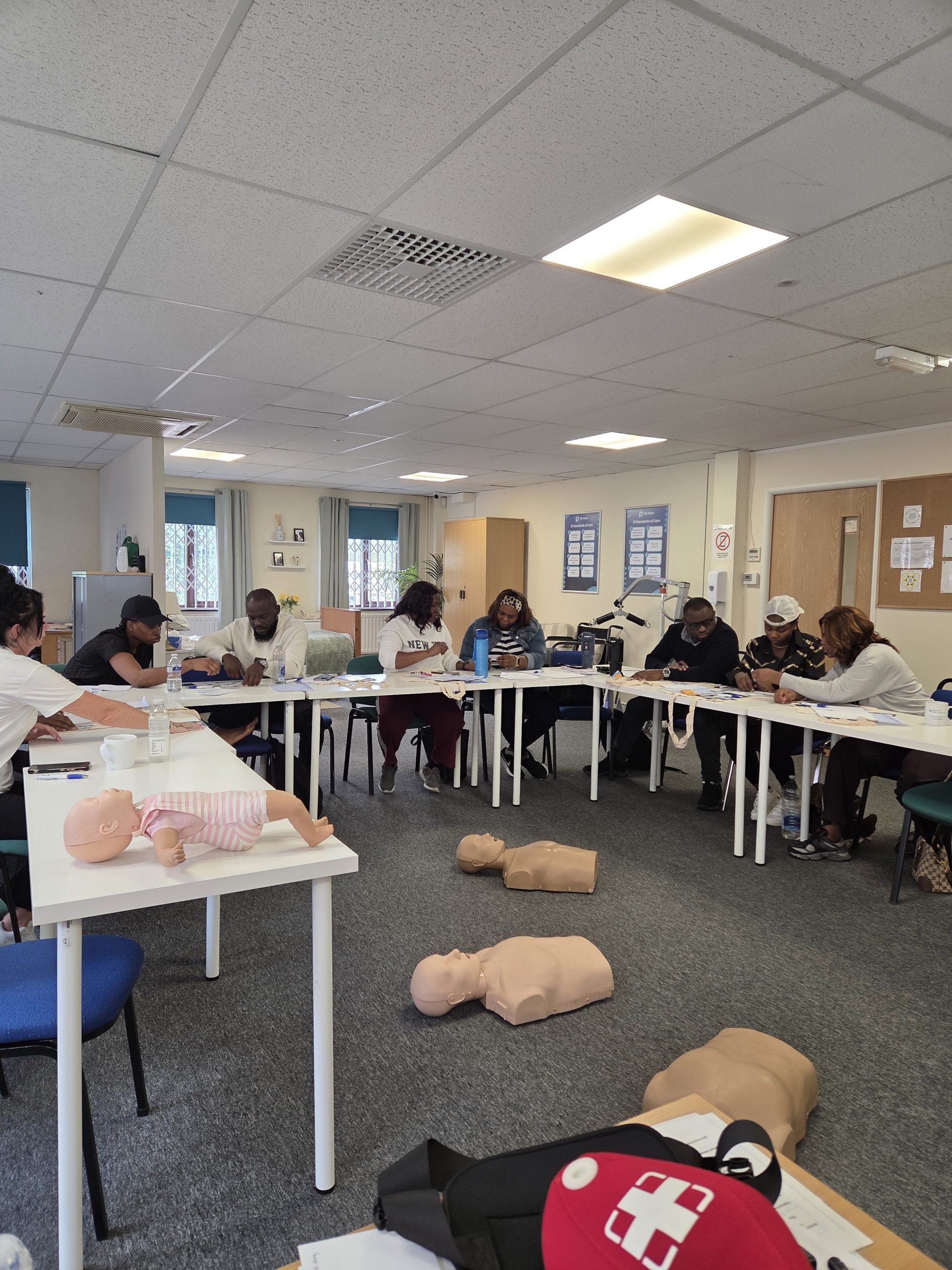
Why Healthcare Training Shouldn’t Be Treated as a Tick-Box Exercise
By Leanne Kirkup, Training Manager at Pin Point Health
In health and social care, training is a fundamental part of keeping people safe. But completing a course, receiving a certificate and moving on shouldn’t be where learning ends.
As Training Manager at Pin Point Health, one thing I always emphasise is that healthcare training should never become a tick-box exercise.
The real value of training isn’t the certificate. It’s whether someone can take what they’ve learned and confidently apply it when supporting another person.
A Certificate Doesn’t Always Equal Confidence
Mandatory training ensures care professionals have essential knowledge, but simply completing a course doesn’t automatically mean someone feels confident putting that knowledge into practice.
Could you respond appropriately during an emergency? Would you recognise a safeguarding concern? Are you confident administering medication safely or using moving and handling techniques correctly?
These are situations where practical knowledge matters.
Good training should give people the opportunity to ask questions, practise their skills and understand why procedures are followed – not simply remember enough information to pass an assessment.
Training Has a Direct Impact on People
When we talk about training and compliance, it can be easy to focus on records, certificates and renewal dates.
But behind every training requirement is a person receiving care.
Training in areas such as Basic Life Support, Moving and Handling, Medication and Safeguarding exists because care professionals may encounter situations where their actions have a direct impact on someone's safety, dignity and wellbeing.
That's why training needs to translate into everyday practice.
Refresher Training Matters
Even experienced care professionals can benefit from refreshing their skills.
Over time, knowledge can fade, working practices can change and people can develop habits without necessarily realising it.
Refresher training provides an opportunity to revisit important procedures, learn about changes in best practice and identify areas where additional development may be needed.
It can also help staff feel more confident when they encounter situations they don't deal with regularly.
Employers Have a Role to Play
Creating a strong learning culture isn't only the responsibility of individual care professionals.
Health and social care employers should encourage their teams to view training as an opportunity to develop rather than simply another compliance requirement.
That means keeping training records up to date, identifying development needs and giving staff opportunities to refresh and practise their skills.
Investing in your team's knowledge and confidence is ultimately an investment in the quality of care your organisation provides.
Creating a Culture of Continuous Learning
The strongest care professionals I've worked with don't assume they know everything because they've been in the sector for years. They're willing to ask questions, refresh their knowledge and continue learning.
That's the attitude we want to encourage through our training at Pin Point Health.
Training shouldn't be something you complete, file away and forget about until the renewal date approaches.
It should give you knowledge you remember, skills you can apply and confidence you can take into every shift.
Training with Pin Point Health
At Pin Point Health, our training is designed to support healthcare professionals and care organisations in developing confident, knowledgeable and capable teams.
We offer a range of health and social care training courses designed to refresh essential knowledge, develop practical skills and support high standards of care.
Whether you're an employer looking to develop your workforce or a healthcare professional wanting to refresh your skills, our training team can help.
Don’t just tick the box. Make training count.
Get in touch with Pin Point Health to find out more about our training courses and packages.