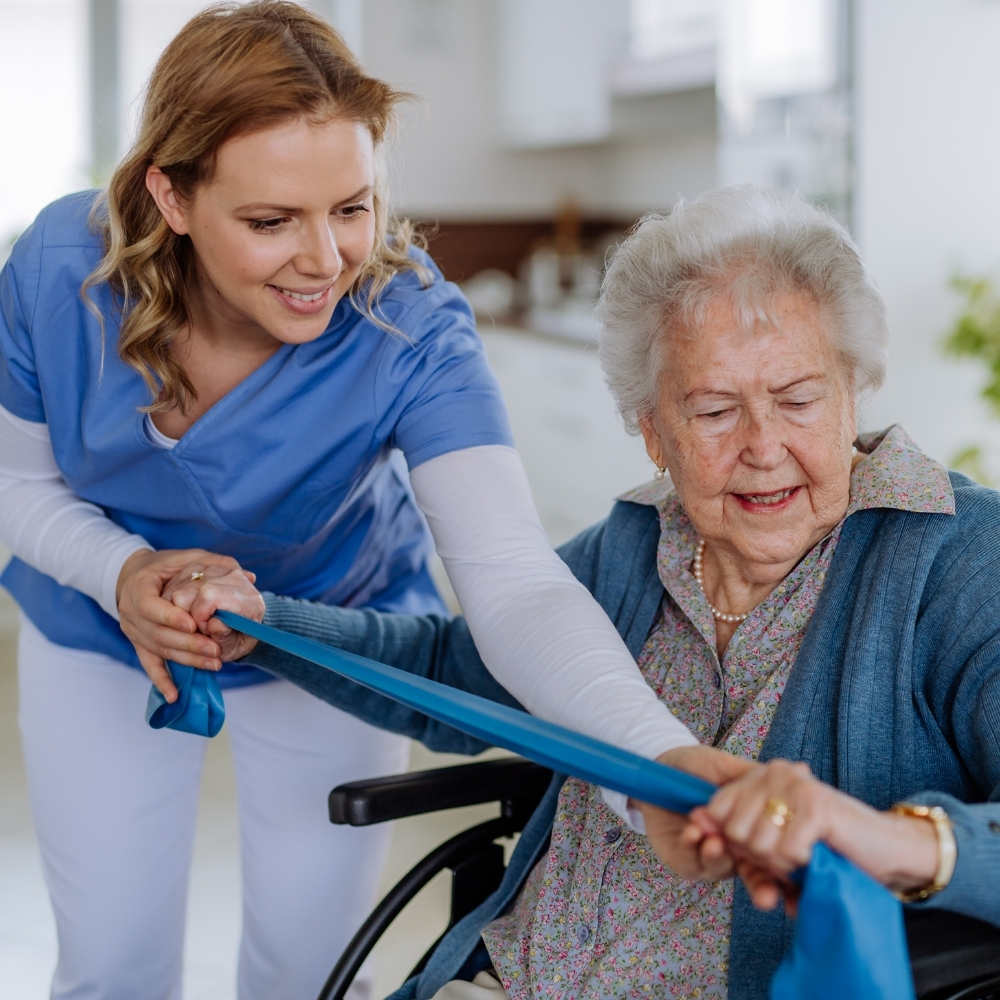

Why Ongoing Training Matters in Health and Social Care
By Leanne Kirkup, Training Manager at Pin Point Health
Working in health and social care means being trusted with the wellbeing, dignity and safety of other people. That responsibility doesn't stop once you've completed your initial training.
As Training Manager at Pin Point Health, I believe ongoing training is essential for keeping knowledge fresh, building confidence and making sure care professionals are equipped to provide safe, high-quality support.
Keeping Skills and Knowledge Up to Date
Health and social care is constantly evolving. Guidance changes, best practice develops and the needs of the people we support can become increasingly complex.
Regular refresher training gives care professionals the opportunity to revisit important knowledge and make sure they're applying it correctly in practice.
Whether it's Moving and Handling, Basic Life Support, Medication, Safeguarding or other essential care skills, training shouldn't simply be something completed once and forgotten about.
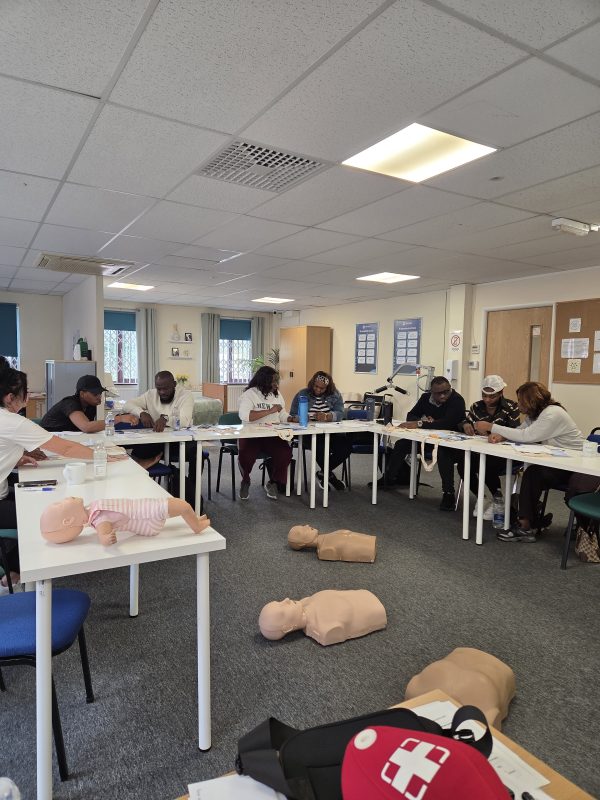
Building Confidence in the Workplace
One of the biggest benefits I see from ongoing training is confidence.
It's one thing to understand something in theory, but care professionals also need to feel confident applying their knowledge when faced with a real situation.
Practical training provides an opportunity to ask questions, practise techniques and identify areas where additional support may be needed.
That confidence can make a real difference when someone needs to respond quickly and appropriately.
Supporting Safer Care
Ultimately, good training is about protecting the people receiving care.
Outdated knowledge or poor working practices can increase the risk of mistakes. Regular training helps reinforce safe procedures and reminds staff why those procedures are so important.
From administering medication correctly to recognising a safeguarding concern, the knowledge gained through training can have a direct impact on someone's safety and wellbeing.
Training Shouldn't Be a Tick-Box Exercise
One message I'm particularly passionate about is that training shouldn't be viewed simply as a certificate that needs renewing.
Effective training should encourage people to think about how their knowledge applies to the individuals they support.
For employers, investing in ongoing staff development can also help create a stronger workforce. Employees who feel confident, supported and equipped to do their jobs are better placed to provide consistent, high-quality care.
Creating a Culture of Continuous Learning
Nobody working in care ever reaches a point where there is nothing left to learn.
Encouraging staff to refresh their knowledge, ask questions and continue developing creates a positive learning culture where high standards become part of everyday practice.
As trainers, our role isn't simply to deliver information. It's to help people understand it, apply it and leave the session feeling more confident in their ability to provide safe and compassionate care.
Training with Pin Point Health
At Pin Point Health, we provide practical training designed for professionals working across health and social care.
Our training courses help individuals and organisations maintain essential skills, refresh knowledge and support high standards of care.
Whether you're a care provider looking to arrange training for your team or a healthcare professional wanting to develop your skills, our team can help.
Find out more about Pin Point Health's care staff training packages and book your training today.